
Game Introduction
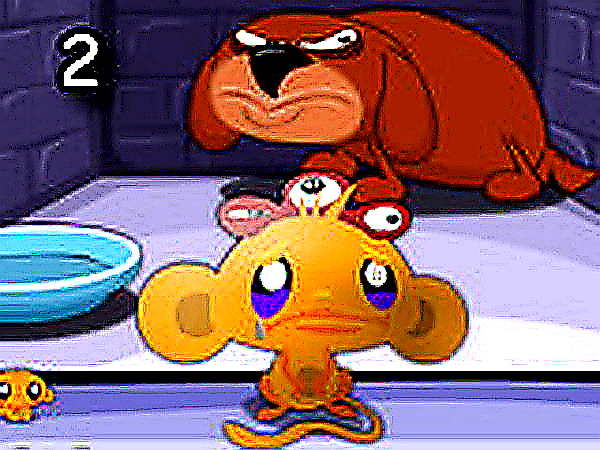
Monkey Go Happy Elevators 2 is a family-friendly puzzle game where players help a group of cute monkeys find their lost toys hidden inside elevators. This game is the second installment in the series and offers a charming, non-violent experience suitable for all ages. Players explore various elevator scenes, searching for clues and solving puzzles to progress. The game emphasizes observation and problem-solving in a lighthearted setting. Each level presents a unique elevator environment with interactive objects and hidden clues that require careful examination. The core objective is to unlock elevator doors and retrieve the toys by figuring out the correct sequence of actions. The game is designed to be accessible for beginners, with hints available if players get stuck. It provides a gentle challenge that encourages logical thinking without being overly difficult. The content is safe for all ages, with no violent or inappropriate material, making it a great choice for family game time.
How to Play
To play, select a level and carefully examine the elevator scene. Look for interactive objects and hidden clues that can be clicked or tapped. Use the clues to determine the correct sequence of actions to unlock elevator doors and retrieve the toys. Some puzzles may require combining items or solving simple logic problems. The game provides hints if you get stuck, making it accessible for beginners. The controls are simple point-and-click, making the game easy to pick up. Players typically progress by exploring each scene thoroughly, interacting with various elements, and using the information gathered to solve the puzzle. The game encourages a methodical approach, where patience and observation are key to success.
Game Features
This puzzle game includes multiple levels with increasing difficulty. It features interactive objects and hidden clues that encourage exploration. Hints are available to help players who are stuck. The controls are simple point-and-click, making the game easy to pick up. The content is safe for all ages, with no violent or inappropriate material. The game offers a charming, non-violent experience suitable for all ages. Players can enjoy a lighthearted setting that emphasizes observation and problem-solving. The game is designed to be accessible for beginners, with hints available if players get stuck. It provides a gentle challenge that encourages logical thinking without being overly difficult.
Tips for Success
Take your time to thoroughly explore each scene, as clues may be hidden in plain sight. Interact with everything you can, as even small objects might be important. If you get stuck, use the hint system rather than guessing randomly. Practice your observation skills by noting patterns and sequences. Revisiting previous areas after solving a puzzle may reveal new interactions. Staying patient and methodical will help you progress through the levels more efficiently.






Comments
0 comments