
Core Gameplay Loop
Ring Swimmer presents a straightforward but demanding objective: keep your fish moving along a circular route by tapping the screen at exactly the right moment. Each successful tap propels the fish forward to the next segment of the track. A mistimed tap sends the fish off the path, ending the run. This loop of short, intense attempts encourages players to refine their sense of rhythm.
Difficulty Curve and Pacing
The game begins at a comfortable speed, giving newcomers a chance to learn the timing. As players demonstrate consistency, the pace picks up. Later stages introduce tighter gaps between segments, requiring quicker reactions. This gradual increase in challenge keeps the experience engaging without becoming overwhelming too quickly.
Visual Style and Atmosphere
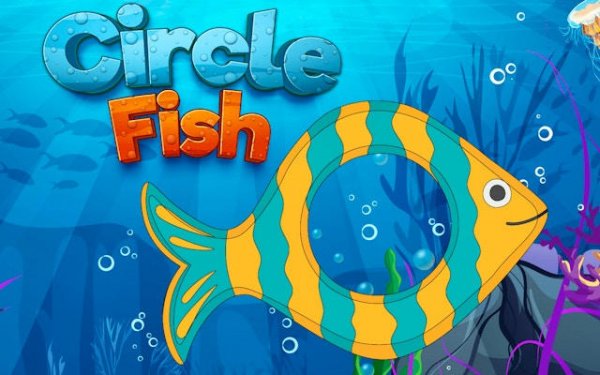
Bright, clean visuals define the underwater setting. The fish and circular track stand out clearly against the background, helping players track movement. Smooth animations make each jump feel responsive. The minimalistic design keeps distractions low, allowing full concentration on the task at hand.
Controls and Accessibility
Ring Swimmer uses a single-tap control scheme. There are no complex menus or multiple buttons to manage. This simplicity makes the game easy to pick up for players of any age. The responsive touch input ensures that each tap translates directly into in-game action without noticeable delay.
Replay Value and Skill Development
Each attempt lasts only a short time, making it easy to try again after a mistake. The progressive difficulty means there is always room to improve. Players naturally develop better timing and hand-eye coordination through repeated play. The game rewards patience and practice rather than luck.






Comments
0 comments