
Track Design & Atmosphere
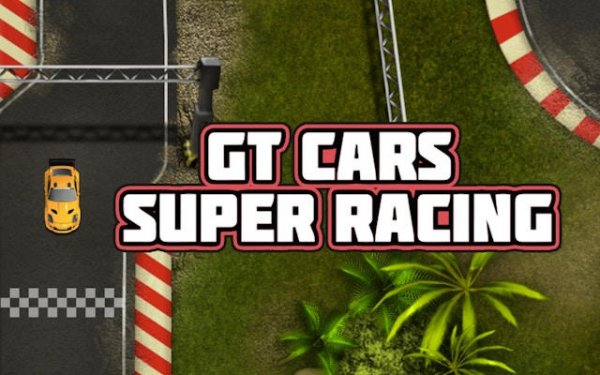
Retro Speed Circuit presents a selection of themed courses that evoke the golden age of arcade gaming. From tight mountain passes to open coastal stretches and busy urban circuits, each track has its own visual character. The design emphasizes clear sightlines and distinct turns, helping players learn layouts quickly. Hidden shortcuts may offer alternative routes, rewarding exploration during practice runs. The visual style uses bright colors and pixel-inspired details, creating a nostalgic feel without sacrificing modern clarity.
Vehicle Handling & Boost Mechanics
Each car in Retro Speed Circuit handles with a responsive feel, allowing precise steering and speed adjustments. The core mechanic is the turbo boost, a limited resource that can be activated to gain a burst of speed. Boost usage requires strategic thinking: using it on straightaways helps maintain momentum, while saving it for exits from tight corners can prevent losing ground. The balance between speed and control is central to mastering each circuit, and players must adapt their approach based on track layout and opponent positions.
Competition & Race Flow
Races in Retro Speed Circuit pit players against AI opponents on each track. The objective is simple: cross the finish line first. Opponents follow consistent patterns, allowing players to study their behavior and find overtaking opportunities. The race flow is fast-paced, with positions changing frequently during the first lap. Maintaining consistent speed through turns and using boosts at the right moments can make the difference between a mid-pack finish and a victory. The game rewards clean driving and careful planning over reckless speed.
Visual & Audio Presentation
The game adopts a retro-inspired aesthetic that mimics the look of 1980s arcade machines. Colors are vibrant and contrast well, making each track easy to read at high speeds. The audio includes engine sounds, tire squeals, and a soundtrack that matches the energetic pace of the races. These elements work together to create an immersive arcade atmosphere without overwhelming the player. The presentation is intentionally simple, focusing on gameplay clarity rather than elaborate effects.
Progression & Replayability
Retro Speed Circuit encourages players to revisit tracks to improve their times and discover shortcuts. There is no complex progression system; instead, the challenge comes from mastering each course and refining boost strategies. Players can select different cars, each with slightly different handling characteristics, adding variety to repeated plays. The game is structured for short play sessions, making it easy to pick up for a few races and then set aside. This design supports both casual play and more dedicated practice for better results.
Accessibility & Skill Development
The controls are designed to be intuitive, so new players can start racing immediately. There are no complicated menus or tutorials to navigate. As players gain experience, they can focus on advanced techniques like boost timing and cornering efficiency. The game does not punish mistakes harshly, allowing players to recover from errors and continue racing. This balance makes Retro Speed Circuit suitable for a wide range of ages and skill levels, from young children to adults seeking a nostalgic racing experience.






Comments
0 comments