
Party Rooms and Social Spaces
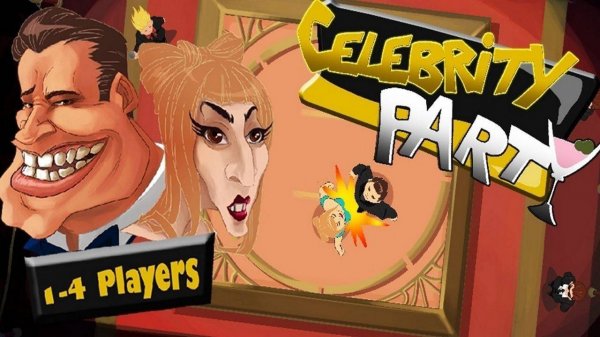
Upon entering the game, players find themselves in a colorful hub filled with distinct areas to explore. A dance floor invites spontaneous movement, while a quiet lounge offers a spot for conversation. Each room has its own theme and set of activities, encouraging players to wander and discover what appeals to them. The design prioritizes visual clarity and cheerful aesthetics, making navigation straightforward even for younger participants. Rooms can be joined publicly or set to private for gatherings with known friends.
Mini-Game Stations and Challenges
Scattered throughout the party spaces are stations where quick games begin. These activities range from memory-based puzzles to word association tasks, each lasting only a few minutes. The variety ensures that players can switch between mental challenges and lighthearted fun without long commitments. Success in these games often depends on observation and quick thinking rather than speed or competition. The emphasis remains on participation and shared enjoyment rather than winning.
Character Personalization Options
Players can modify their avatar’s appearance using a selection of outfits, hairstyles, and accessories. These customization pieces are earned through gameplay or unlocked as players engage with different activities. The system allows for individual expression without requiring real-money purchases. Changing one’s look is simple and can be done between games, letting players experiment with different styles as they socialize.
Communication and Safety Features
Interaction between players is managed through a chat system that uses preset phrases and expressive emojis. This design limits the possibility of inappropriate language while still enabling meaningful exchanges. Players can send greetings, compliments, or invitations to join games with just a few taps. The system also includes reporting tools and moderation to maintain a respectful atmosphere. These measures make the game suitable for children and adults alike.
Building Positive Social Habits
The game encourages behaviors like taking turns, offering help, and celebrating others’ achievements. By rewarding cooperative actions and friendly gestures, it subtly teaches social skills in a natural setting. Parents appreciate that the environment discourages negative competition and instead promotes inclusive play. The overall tone is one of warmth and acceptance, where every player can feel comfortable participating at their own pace.






Comments
0 comments