
Core Running Mechanics
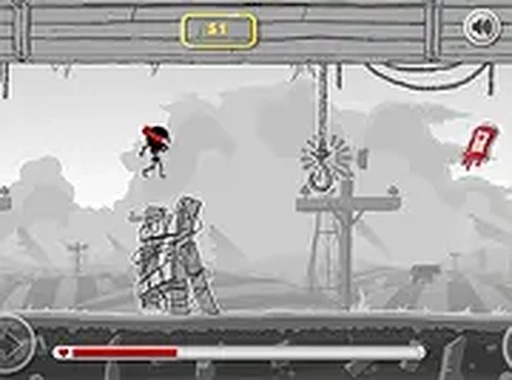
Stick Dash: Castle Escape centers on a simple but engaging concept: the character moves forward on its own, and the player's only action is to make it jump. This design keeps the focus on timing and observation. As the stick figure runs, various obstacles appear, such as spinning blades, moving walls, and gaps in the path. Each obstacle requires a well-timed jump to avoid a collision. The game rewards players who stay alert and react quickly, as the pace can increase over time.
Environment and Visual Style
The game presents a series of distinct areas, each with its own visual theme and set of hazards. Early stages might feature simple platforms and basic traps, while later sections introduce more complex arrangements. The stick figure art style keeps the visuals clean and easy to read, which helps players focus on the action. Backgrounds change to reflect different settings, such as forests, caves, or castle interiors, adding variety without distracting from the core gameplay.
Energy Collection System
Scattered along the running path are small energy packs that the player can collect by simply running into them. These items restore a portion of the character's energy bar, which decreases when the stick figure hits an obstacle. Managing this energy adds a light strategic element: players must decide whether to risk collecting a pack that is positioned near a hazard or to skip it for safety. Keeping the energy bar full is essential for progressing further, as running out ends the attempt.
Accessibility and Controls
The game is designed to be easy to pick up and play. On a computer, a mouse click makes the character jump. On a touchscreen device, a tap does the same. There are no complex button combinations or menus to navigate. This simplicity makes the game suitable for short play sessions, whether waiting in line or taking a break. The responsive controls ensure that actions feel immediate, which is important for a game that relies on precise timing.
Progression and Challenge
As players advance through the game, the difficulty gradually increases. New obstacle types appear, and existing ones may move faster or appear in tighter sequences. This progression keeps the experience fresh and encourages repeated attempts to improve. The game does not rely on random elements, so players can learn the patterns of each section and develop strategies to overcome them. This learning curve provides a satisfying sense of accomplishment when a tricky section is finally cleared.




Comments
0 comments