
Core Arithmetic Puzzle
Each round presents four distinct numbers. The objective is to use all four numbers exactly once, applying addition, subtraction, multiplication, or division, to form an equation that equals 24. This format challenges players to think flexibly about number relationships and order of operations. For instance, given the numbers 2, 3, 4, and 6, a possible solution is (6 ÷ 2) × (4 + 3) = 21, but the correct answer might require a different combination. The game encourages experimentation and logical deduction.
Progression and Difficulty Curve
The puzzle set includes hundreds of unique configurations. Early puzzles use smaller numbers and simpler combinations, while later ones introduce larger digits and more complex arithmetic sequences. This gradual increase in difficulty helps players build confidence before tackling tougher challenges. The system tracks completed puzzles and scores, providing a sense of accomplishment without overwhelming the player.
Interface and Accessibility
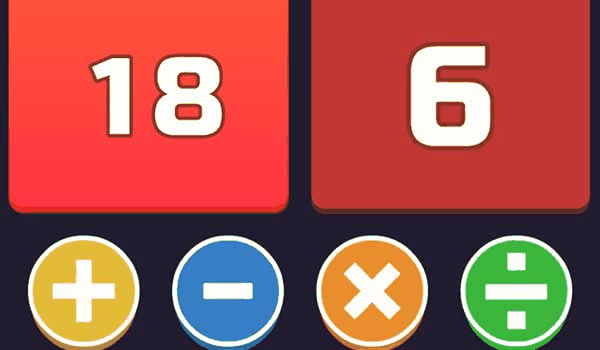
The interface is clean and minimal, focusing attention on the numbers and operations. Buttons for each arithmetic operation are clearly labeled, and the equation builder shows the current expression as it is constructed. The game runs smoothly on desktop and mobile browsers without requiring any downloads or plugins. No intrusive advertisements interrupt the experience, making it suitable for focused practice sessions.
Hint System and Self-Paced Play
When a player feels stuck, a hint option provides guidance toward a solution without giving away the entire answer. This feature supports learning by allowing players to discover the logic themselves. There is no timer, so users can think through each step carefully. This self-paced approach reduces frustration and makes the game accessible to those who prefer a relaxed mental workout.
Educational Benefits
Regular play strengthens mental arithmetic, improves understanding of arithmetic operations, and enhances problem-solving strategies. The game is often used by students and adults alike to maintain cognitive sharpness. Because it requires using each number exactly once, it also reinforces the concept of order of operations and encourages creative thinking about numerical combinations.

Comments
0 comments