
Core Gameplay Loop
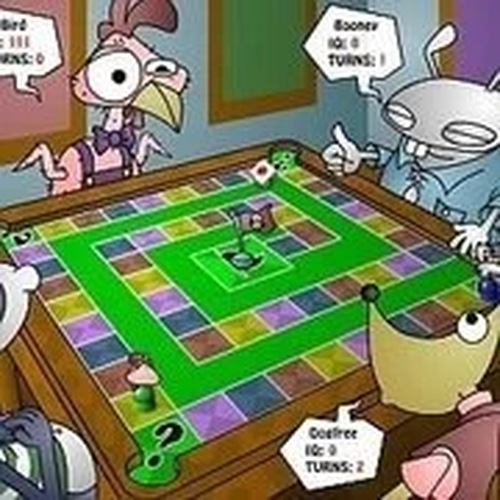
Logic Sprint Board Challenge turns traditional board game movement into a test of mental agility. Each player takes turns rolling a die to advance their token across the board. Landing on a puzzle space triggers a timed challenge that must be completed before the next player's turn. The faster you solve, the more points you earn. This creates a natural tension between rushing for speed and taking time to ensure accuracy. The board layout changes each session due to randomized tile placement, ensuring no two games play out the same way.
Puzzle Variety & Difficulty Scaling
Puzzles range from simple pattern recognition to more complex logic sequences. The game includes four distinct difficulty tiers, allowing players to choose challenges that match their comfort level. Beginners can start with easier puzzles to build confidence, while experienced players can tackle harder ones for higher point rewards. This scaling keeps the game accessible for younger participants while still offering depth for adults. The puzzles are designed to be solved mentally without requiring any special tools or prior knowledge.
Special Spaces & Strategic Decisions
Chance spaces scattered across the board introduce unpredictable elements. Landing on one might grant a bonus like extra points, a free move forward, or the ability to swap positions with another player. These spaces add a layer of strategy beyond pure puzzle solving. Players must decide whether to aim for these spaces or take a more direct path toward the finish line. The random nature of these bonuses keeps every game fresh and prevents any single strategy from dominating.
Family-Friendly Design Philosophy
The rules are straightforward enough for children as young as six to understand, yet the puzzle challenges provide enough complexity to engage teenagers and adults. Games typically last between 30 to 45 minutes, making them suitable for family game nights or casual gatherings. The competitive element is tempered by the cooperative nature of puzzle solving, as players often help each other understand the rules. This balance ensures that the game remains fun for everyone regardless of skill level.







Comments
0 comments