
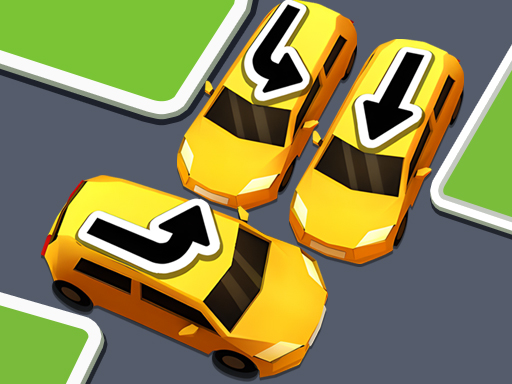
Core Puzzle Mechanics
Gridlock Escape Puzzles centers on a simple yet engaging concept: a grid filled with various vehicles, each locked in place except for the ability to slide forward or backward along their lane. Your objective is to move these vehicles strategically, clearing a path for your own car to reach the designated exit point. The challenge lies in the limited space and the need to sequence your moves correctly, as one wrong shift can block progress entirely.
Level Design and Difficulty Curve
The game introduces new players with straightforward layouts that require only a few moves to solve. As you advance, the puzzles become denser, with more vehicles occupying the grid and tighter corridors to navigate. Later stages may include multiple rows of cars that must be moved in a specific order, testing your ability to think several steps ahead. This gradual increase in complexity ensures a steady learning curve without overwhelming newcomers.
Visual Style and User Interface
The graphics employ a clean, colorful aesthetic that clearly distinguishes each vehicle type and the exit route. Controls are intuitive: tapping or clicking a car selects it, and dragging along its lane executes the move. The interface remains uncluttered, with no distracting elements during play. A hint system is available for those moments when a solution seems out of reach, though relying on it too often may diminish the satisfaction of solving a puzzle independently.
Strategic Thinking and Problem Solving
Success in Gridlock Escape Puzzles depends on planning and foresight. Each move affects the entire layout, so players must consider the consequences of shifting a vehicle before committing. The game encourages a methodical approach, rewarding those who take time to assess the grid before acting. This focus on logic and deduction makes it a suitable activity for players seeking a mental workout rather than fast-paced action.
Accessibility and Session Flexibility
The game is designed for short bursts of play, making it ideal for breaks or waiting periods. Each puzzle can be completed in a few minutes, though more complex ones may require longer contemplation. There are no timers or pressure, allowing players to proceed at their own pace. The absence of advertisements or interruptions during gameplay helps maintain focus on the task at hand.







Comments
0 comments